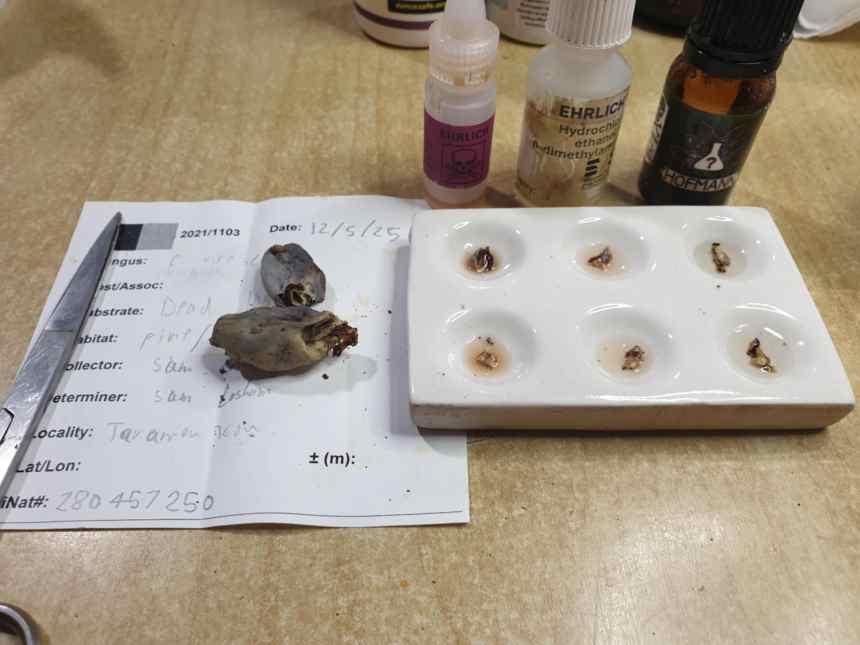
Sometimes we use reagents in cases where the material won’t read well on the spectrometer, such as fungi and plant material. We talked a bit about this in KnowYourScience 1: The FTIR Spectrometer and KnowYourScience 2: Reagent tests.
In KnowYourScience 2 we discussed how the Ehrlich reagent (the one found in the EZ LSD tests) might not be best suited for checking your mushrooms. Non-psychedelic mushrooms sometimes have a free tryptophan which can make your test go purple even if there’s no psychedelic material in your sample. Because we like evidence (and also being out in nature), we thought we’d do some research and see what kinds of fungi react with Ehrlich reagent. FOR SCIENCE!
We used the same kinds of Ehrlich test people use at home (EZ LSD, Dancesafe Ehrlich, and Bunk Police’s Ehrlich) as well as the Ehrlich reagent made by PHF Science that we use in drug checking clinics. We also used a tryptophan tablet as a control to make sure the reagents weren’t a dud.
We tested a range of different fungi. Some of them were edible and tasty. Some of them were highly toxic and will put you in hospital. Some will take you on a journey to inner space. And it’s a good thing we did because we found some interesting (and concerning) things.
What’s tryptophan?
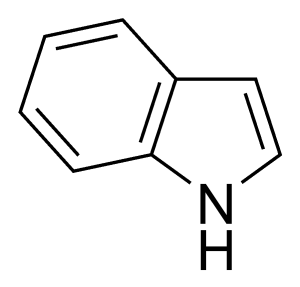
Very simply, tryptophan is an amino acid. Your body uses it as an ingredient for making things like serotonin, melatonin, and other important compounds. The reason tryptophan triggers the Ehrlich’s test is because it contains an indole group. Indoles also go into making the alkaloids that make the psychoactive ingredients in LSD, psilocybin, DMT, and so on.





Interesting things – false negatives and patchy positives
We tested a few samples of magic mushrooms – Psilocybe subaeruginosa and one sample of Psilocybe weraroa. We found that reactivity varied greatly from mushroom to mushroom, and even varied depending on where in the body of the mushroom we were sampling.
At first we thought we were being impatient – Ehrlich can take up to 3-5 minutes for a proper reaction to take hold if the conditions aren’t perfect. But after 10 minutes and even heating the plate up the reactions were still…not great.*
Our first Psilocybe subaeruginosa sample didn’t react at all. The second sample only reacted on the cap, but not the stipe (stalk).
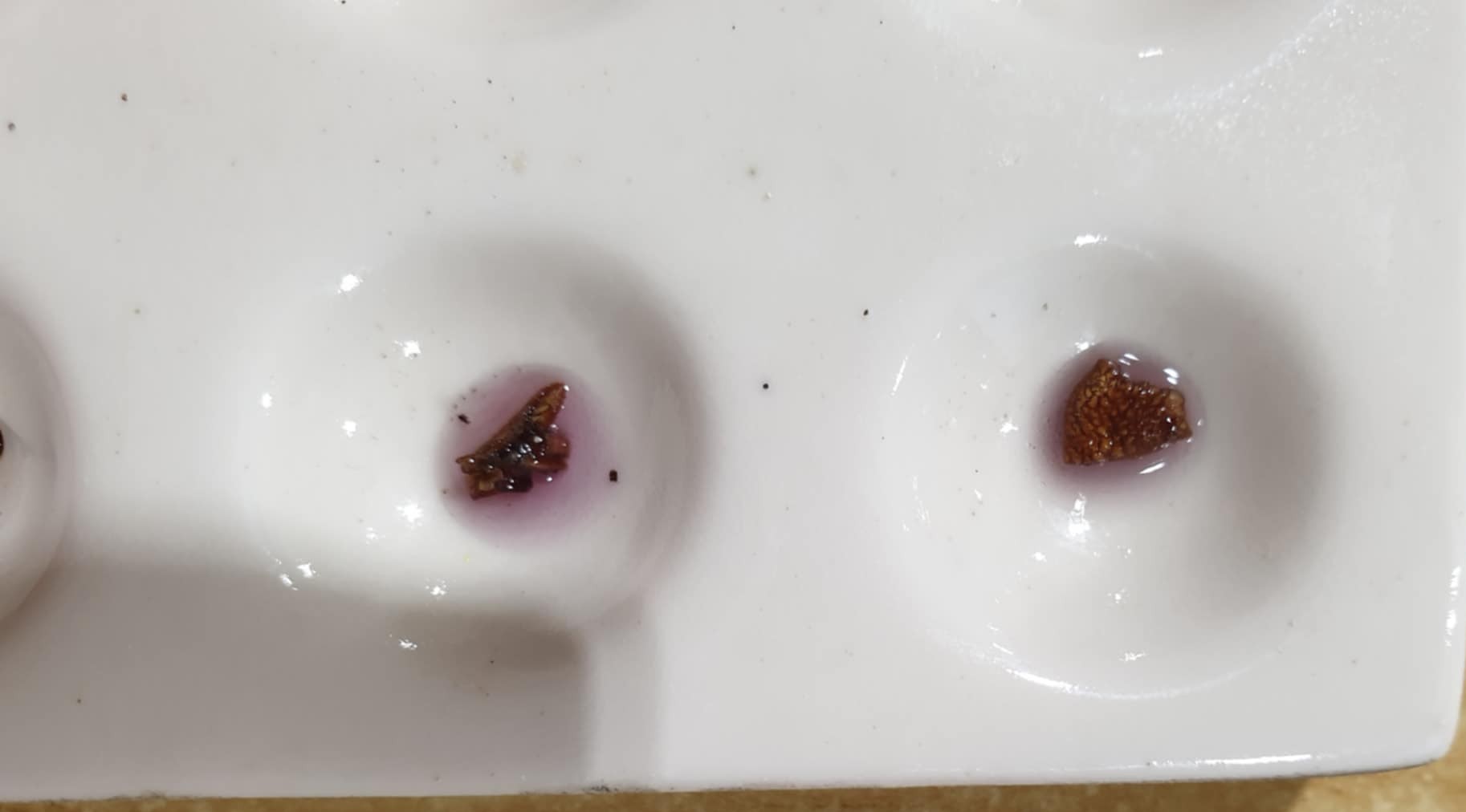
There is some research out there that says psychedelic fungi hold more of the active ingredient in the cap than in the stipe, there’s a huge variation. This means that the cap samples with more active ingredients than the stipe in the various peer reviewed studies were the exception, rather than the rule. Our experiment backs this theory.
Read more about the chemical composition of psychedelic mushrooms:
Chemical Composition and Biological Activities of Psilocybe Mushrooms: Gaps and Perspectives
When we tested a fourth sample it reacted with both stipe and cap, although weakly and after waiting 10 minutes.


Psilocybe subaeruginosa sample 4: Both sections reacted
When we tested the Psilocybe weraroa it didn’t react at all, either from the skin, gleba (inside of the pouch), or the stalk. We only have the one sample to work with though, so it could be that we got a specimen that didn’t react to the reagent and others may react.

Interesting things – False positives and food fungi
Ehrlich reagent is made to react with indoles (among other things), which is a precursor to the alkaloid that’s the psychoactive agent in mushrooms. There’s a few different indoles though, and not all of them make those alkaloids. Ehrlich isn’t specific enough to see the difference between the indole in a psychoactive alkaloid and the indole in tryptophan.

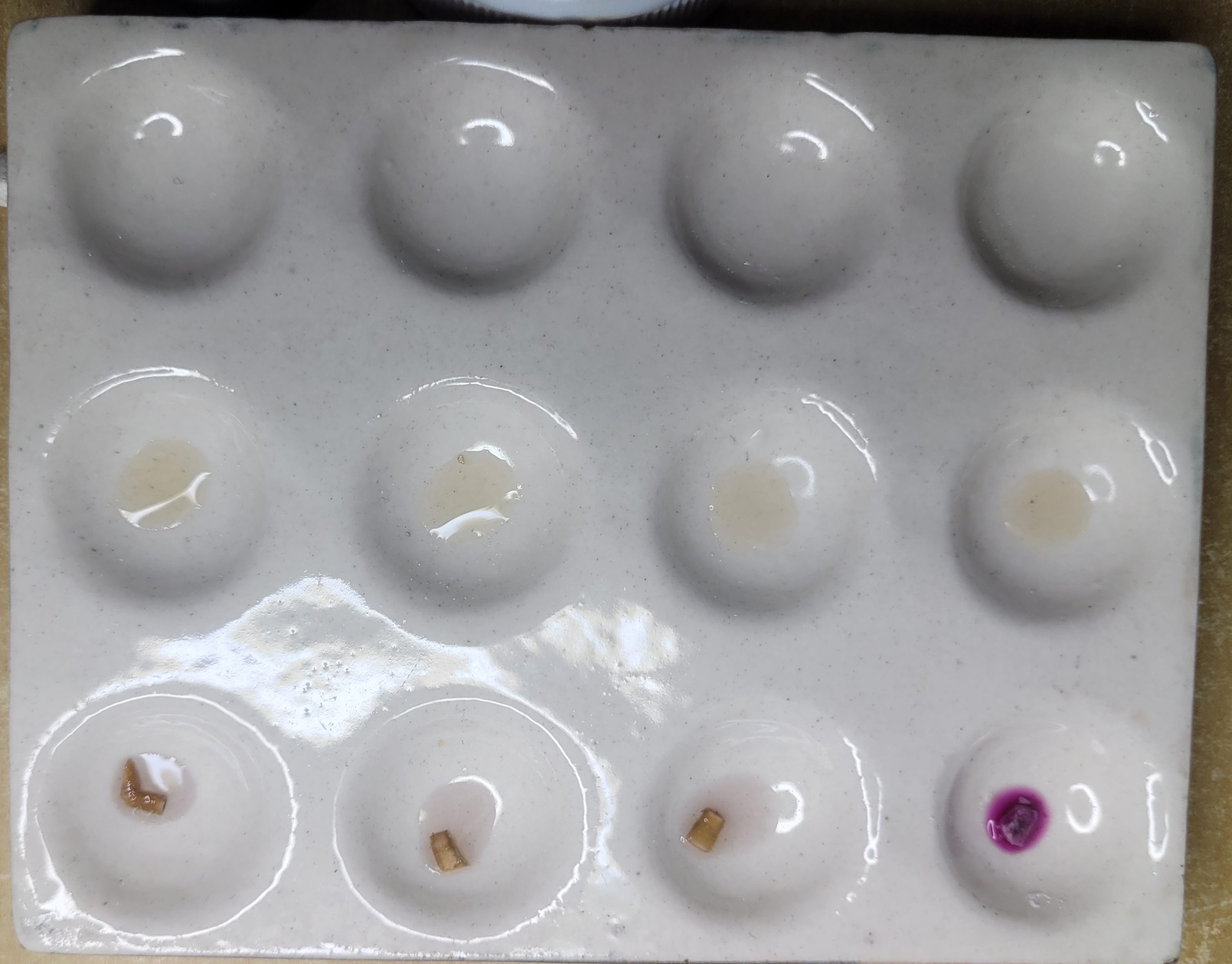
Top line: Button mushrooms from the supermarket
Middle line: bracket fungus, wild foraged
Bottom line: Wood ear fungus, wild foraged.
The photo shows a fairly strong reaction from the button mushroom and a slight reaction from the wood ear mushroom. We didn’t have any reaction from the bracket fungus. All of the fungi types we sampled have tryptophan in them, but the tryptophan distribution may have been uneven in the bracket sample we harvested.
Read about indoles in white button mushrooms (Agaricus bisporus)
Read about tryptophan in wood ear fungi (Auricularia heimuer)
Read about tryptophan in bracket fungi (Phellinus igniarius)
Concerning things – False positives and toxic fungi
As we mentioned, indoles go into making up alkaloids. This includes the toxic alkaloids in Death Cap mushrooms (Amanita phalloides).
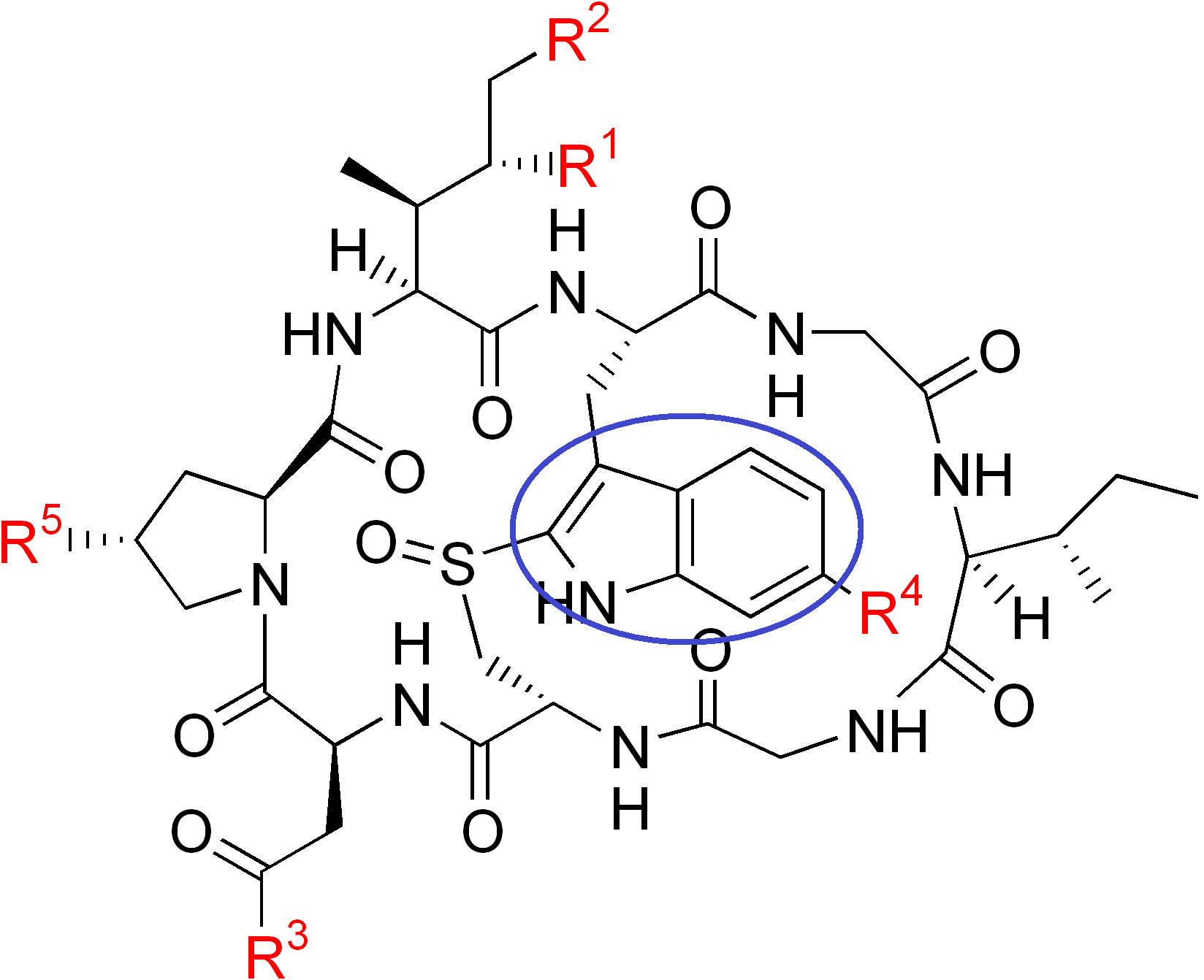

Using this reasoning, we proposed that the Ehrlich reagent would react to the presence of an indole. We were right.

There’s an indole making an alkaloid in there, but it’s probably not the one you’re looking for.
Once we established that Ehrlich reagent reacted to amatoxins, we ran the experiment on a sample of Galerina patagonica, a toxic lookalike for Psilocybe subaeruginosa. The Galerina genus has varying levels of toxicity per species. While there’s not a lot of research specific to Galerina patagonica, it’s still considered to be a toxic variety.
Our sample came back with a negative reaction to the Ehrlich reagent. But as we saw with the Psilocybe subaeruginosa experiment, a lack of reaction from our single sample doesn’t mean it’s inactive.
Read more about toxicity levels across the Galerina genus
We also ran the experiment on toadstools. Amanita muscaria are well known for being toxic if eaten, but can produce psychedelic effects if processed properly. They contain muscarine, muscamol, and ibotenic acid as their active ingredients. These are alkaloids, but they don’t contain an indole, and their psychoactive effects are caused in a different part of the brain and body to psilocybin.
Read more about the bioactive alkaloids of psychedelic mushrooms
As we expected, there wasn’t a purple reaction. What we did find interesting was that the pigment in the red cap bled off into the reagent. Ehrlich turns a reddish-orange when benzocaine or procaine is present. Both of these are anaesthetic agents that need to be synthesized in a lab, so the likelihood of them being naturally present in a fungus is pretty low. Also, Amanita muscaria has been historically used as a fabric dye for yellows and reds, so pigment bleed is a more likely reason for the colour change.

So what does this mean for harm reduction?
Like we said back in KnowYourScience Part 2, reagents are super useful in very certain circumstances. Checking psilocybin fungi might not be one of those circumstances, and you’re probably best to rely on more experienced friends to help you identify your mushrooms. Our advice for fungi is as follows:
Go foraging with someone experienced
Nothing beats a second set of eyes on a sample, especially if you’re still learning how to identify your mushrooms. Even if you’re an experienced forager you might have an off day and make a mistake. This goes for food mushrooms as well.
Read our guide to spotting toxic lookalikes
Read Psilver Lining’s guide to safer foraging
Start with a small amount
This is useful for two reasons.
- Not all doses are created equal. If you get a particularly strong dose, you might not be prepared for where it takes you. If you’re an experienced psychonaut, this might be ok. If you’re not, things could get…interesting.
- If you mis-identify your mushrooms and accidentally ingest one of the toxic lookalikes, the amount you have in your system can be the difference between going to A&E and going to the morgue. The time spent between ingestion and getting help is also critical. Call an ambulance immediately if you or anyone you’re tripsitting has:
- Severe abdominal pain (this is different from the queasiness and tummy-ache you sometimes get when your trip is kicking in)
- Vomiting
- Diarrhea
- Convulsions or seizures
- Delerium
- Loss of consciousness
Further info
Massive thanks to Sam Lasham for taking us into the woods for a science adventure! It was the best fun and we learned so much <3
*We should note that while heating up the plate you’re trying to get the reagent to react on, this isn’t always a good idea. It’s an easy way to accidentally cook your reagent and ruin your sample. If your reagent goes brown instead of purple, you’ll need to throw the whole experiment out and start over.